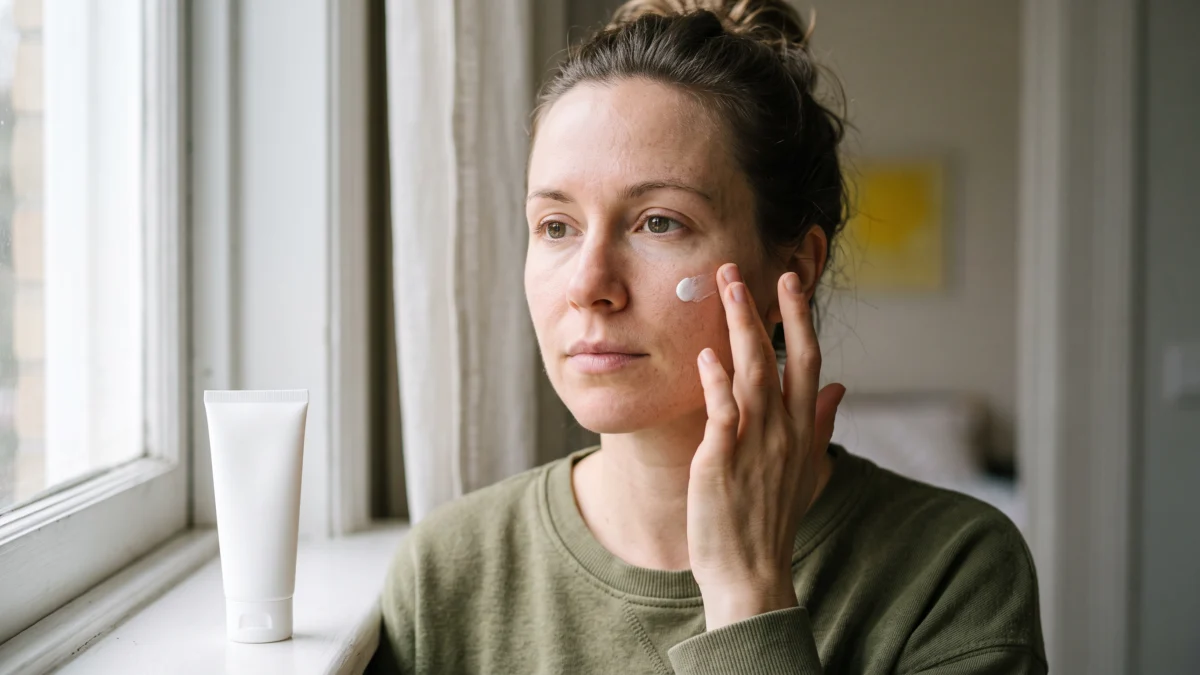
A device that treats vascular concerns, acne, scarring, melasma, rosacea and pigmentation is a genuine asset, but it creates a consultation problem most practitioners never face with single-purpose treatments. How do you convey that breadth inside a normal appointment slot without the patient’s attention drifting halfway through? The answer is not to convey it at all — at least not up front. The skin consultation questions patients actually ask are far narrower than the device’s capability, and a script built around their concern rather than your equipment converts considerably better.
Why a Multi-Indication Device Needs a Different Script
The mistake we see most often is leading with mechanism — explaining the 589nm and 1319nm dual-wavelength technology in detail before establishing why the patient should care. Patients do not book because a device has two wavelengths. They book because it addresses the specific thing bothering them, and everything else is context for that.
The mechanism explanation still matters; it simply belongs after you have named their concern back to them clearly, not before. Reversing that order is the single highest-yield change most clinics can make to their consultation, and it costs nothing to implement.
A Simple Structure That Works in Practice
Start by reflecting the patient’s own words back to them. “So what’s bothering you is the redness across your cheeks, and these small veins here.” Confirming you have correctly identified the concern before explaining anything about treatment does two things at once: it demonstrates you were listening, and it gives you permission to be brief about everything that follows.
Only then move to a single-sentence mechanism explanation. “This uses two wavelengths of light — one that targets the blood vessels causing the redness, and one that calms and improves the skin around it.” That is enough. Move straight on to what a course looks like for their specific presentation: roughly how many sessions, spaced how far apart, and what they should expect to notice and when.
Resist the Urge to Mention Everything the Device Treats
Resist the urge to mention all the indications it is cleared for just because the device is capable of treating them. If a patient has come in about redness, there is rarely a reason to explain that the same device also treats melasma, acne scarring and pigmentation. Breadth that is not relevant to the person in front of you dilutes the focused message they came in for. Worse, it can make the treatment feel less credible for their concern rather than more, because a device that does everything can read as a device that specialises in nothing.
The exception is a patient who raises a second concern themselves, which happens more often than clinics expect once trust is established. That is the moment to widen the conversation, and it lands very differently when the patient opened the door.
Answering the Skin Consultation Questions Patients Ask Most
Patients ask versions of the same handful of skin consultation questions: does it hurt, how long until I see something, and will I need time off. Having concise, consistent answers ready — rather than improvising slightly differently each time — builds noticeably more confidence than a technically accurate but rambling explanation.
On comfort, ADVATx treatments require no topical anaesthetic and no numbing, which is a clean and specific answer. On downtime, there is no social downtime, and most patients return to their normal routine the same day; our patient aftercare guide covers what to say about makeup, SPF and the first 48 hours. On timelines, be honest that collagen remodelling and pigment clearance build across a course rather than appearing after one session — patients told this at consultation report far higher satisfaction than those who discover it later.
Write the Answers Down and Agree Them as a Team
Capturing these answers as a short, agreed reference sheet is a small investment that noticeably improves how unified your team sounds. Patients compare notes with friends treated at the same clinic, and inconsistent phrasing between two practitioners reads as uncertainty even when both answers are correct.
Train the whole patient-facing team on the structure, not just the treating practitioner. Front-of-house staff fielding initial enquiries benefit from the same concern-first framing rather than defaulting to a technical rundown over the phone. A caller who asks a general question and receives a confident, concise answer is considerably more likely to book. One transferred around the clinic, or given three different explanations before reaching a practitioner, frequently does not call back.
Rehearse the Two Conversations That Go Wrong Most Often
Two moments derail consultations more than any others, and both are worth rehearsing rather than improvising. The first is a patient who arrives with an expectation set by social media and wants a single-session transformation. The second is a patient asking why your price differs from a clinic down the road offering something that sounds similar.
For the first, agree a form of words that is honest about timelines without deflating the patient, and pair it with before-and-after images showing realistic progress across a course. For the second, avoid criticising the other clinic and describe what your patient is actually paying for instead: the device, the practitioner’s training, the assessment and the follow-up. Both conversations go considerably better when the team has agreed the answer in advance.
Use Visual Evidence During the Conversation
Keep the results gallery and the treatment page open during consultations. Giving patients something concrete to look at reinforces the concern-first conversation you have just had, and it moves the discussion from claims to evidence at exactly the point most people need reassurance.
Where you have consent to use your own clinic’s before-and-after images, use those in preference to anything else. Patients weigh outcomes from a clinic they are standing in far more heavily than manufacturer material, however good the manufacturer material is.
Ask About Consultation Training at a Demo
If you would like consultation resources or scripts tailored to your team and your patient base, ask about it when you book a demo. It is usually a more productive session than a purely technical walkthrough.