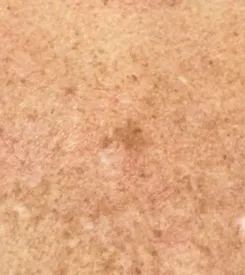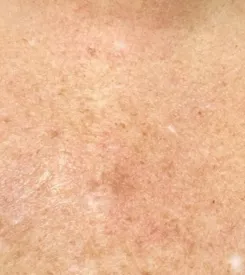


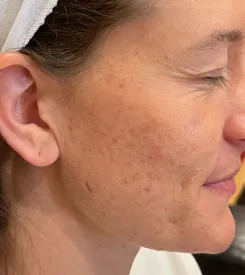

ADVATx delivers a comprehensive approach to active acne, using the 589nm wavelength to reduce redness and target acne-causing bacteria, while the 1319nm wavelength delivers controlled thermal energy to the sebaceous glands to help regulate sebum and oil production.

Photo courtesy: Dave Bakos

Photo courtesy: Holly Cocco
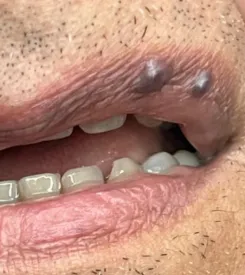
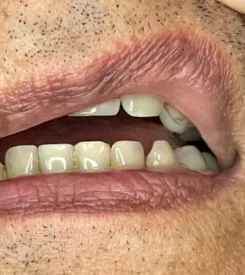
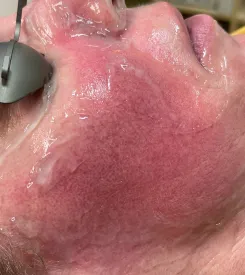
ADVATx uses patented SoftPulse technology to target vascular concerns without causing bruising or purpura. It safely treats a range of vascular abnormalities with no social downtime, delivering effective results without interrupting daily activities.

Photo courtesy: Dave Bakos and Dr. Lisa Medwedef

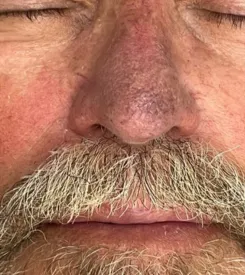
Photo courtesy: Dave Bakos and Dr. Lisa Medwedef
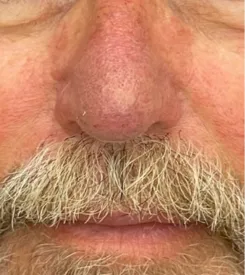
ADVATx targets superficial vasculature with a thermal impact to the papillary dermis, triggering an inflammatory response. This stimulates fibroblast activity and the formation of Type 1 and 3 collagen, promoting smoother skin and a more even tone.
*CE-Cleared Indication

Photo courtesy: Dave Bakos

Photo courtesy: Dave Bakos

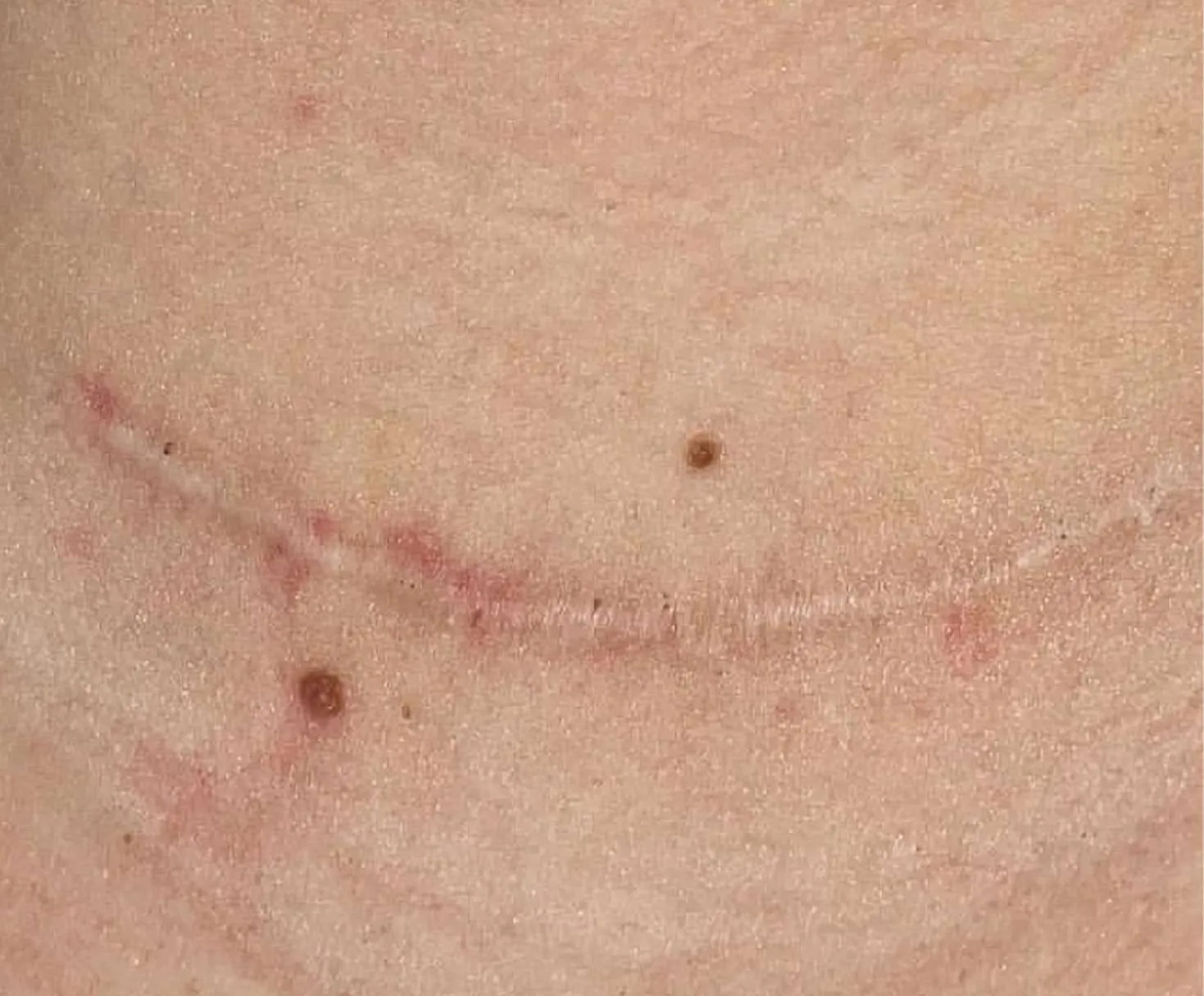
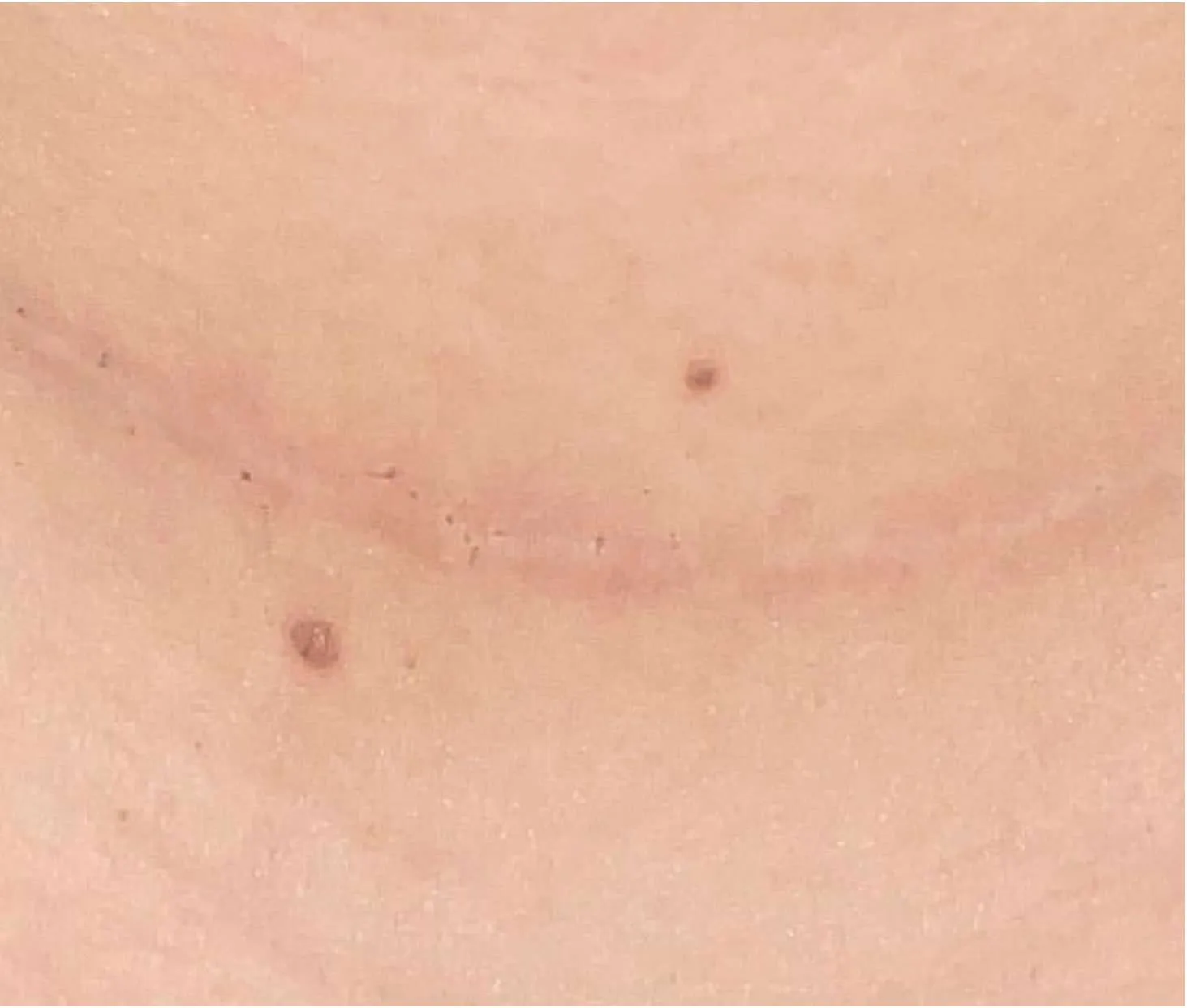
With successive treatments, ADVATx can help reduce the appearance of scars. The 589nm wavelength helps reduce redness and visibility, while the 1319nm wavelength stimulates collagen production, gradually improving skin texture over time.

Photo courtesy: @poshreno

Photo courtesy: Cryobyhannah
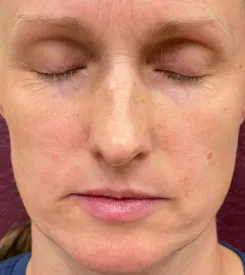
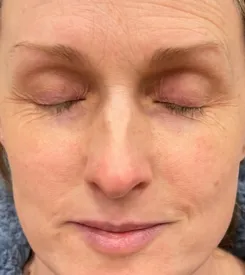
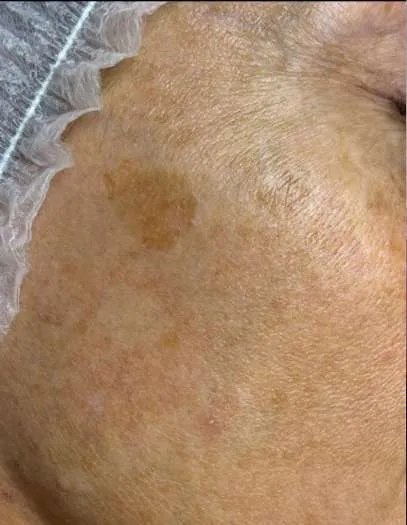
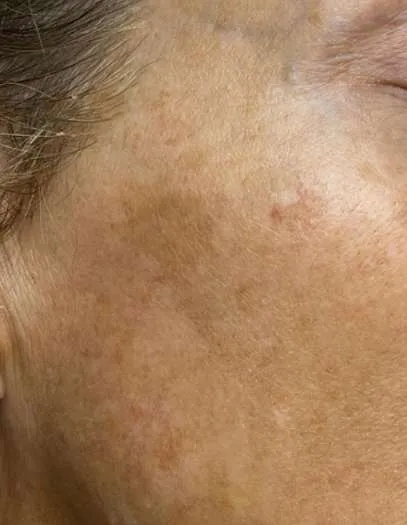
ADVATx takes a multifaceted approach to melasma through its precise delivery system and unique absorption properties. Using both 589nm and 1319nm wavelengths, it targets the vascular component while also influencing sebaceous activity, delivering effective results with a low risk of post-inflammatory hyperpigmentation.

Photo courtesy: @noco.aesthetics.studio

Photo courtesy: @truebeautymedspa
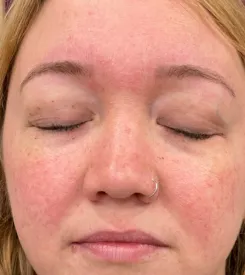
The 589nm wavelength, which is selectively absorbed by oxyhaemoglobin, enables ADVATx to address rosacea by targeting redness, inflammation, and visible blood vessels. This approach delivers effective results with minimal side effects, such as bruising or swelling.

Photo courtesy: Dave Bakos

Photo courtesy: Dave Bakos
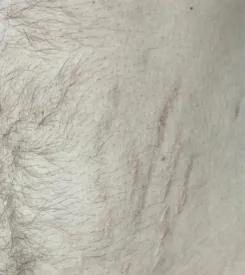
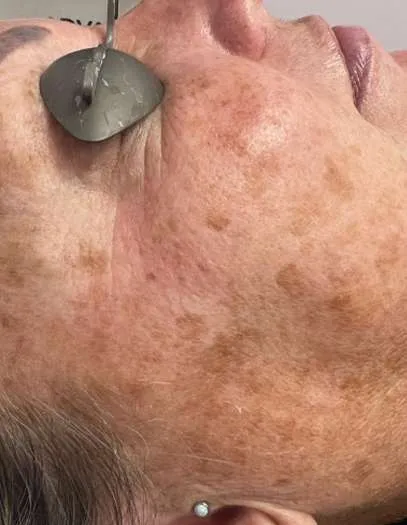
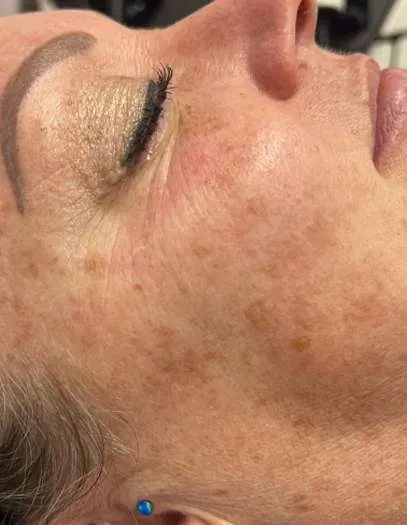
ADVATx uses dual wavelengths to effectively target pigmentation. The 589nm wavelength treats red and brown pigment with less discomfort than many other lasers, while the 1319nm wavelength—absorbed primarily by water—offers a safer option for darker skin types.

Photo courtesy: Dave Bakos

Photo courtesy: @nepaskinscholar