One of the most practical questions patients ask before booking is not about mechanism or results. It is far more immediate: can I wear makeup afterwards, and when do I get back to my normal routine? For a treatment described as having no social downtime, that is a fair thing to want pinned down before you book rather than after. Here is what laser treatment aftercare actually involves with ADVATx, hour by hour.
What Actually Happens to Your Skin After Treatment
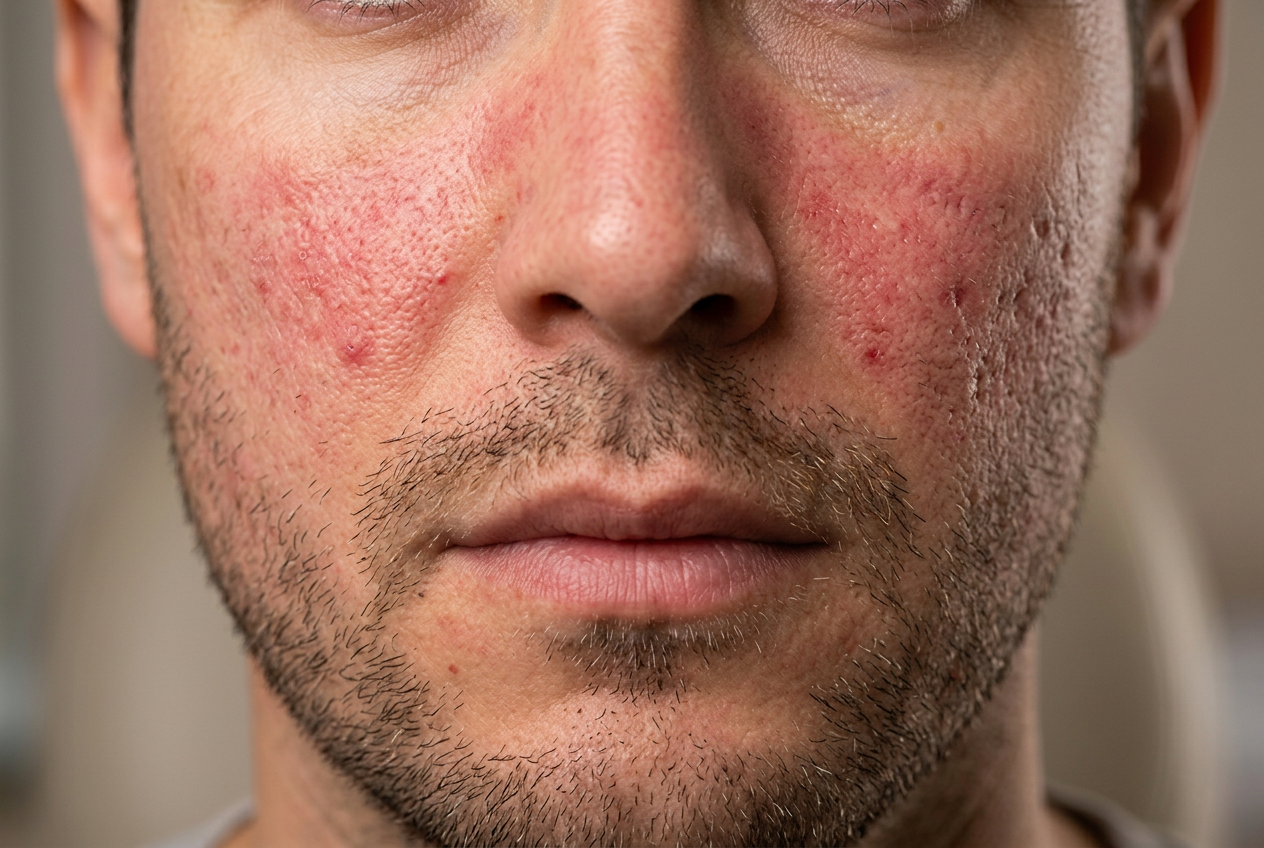
Immediately afterwards, most patients notice mild, temporary redness or warmth across the treated area, similar to a light flush. It typically settles within a few hours. Because the treatment does not break the skin’s surface the way more aggressive resurfacing procedures do, there is no open wound and no scabbing to manage.
That single difference is why the aftercare requirements are considerably simpler than most people expect. Treatments also require no topical anaesthetic and no numbing.
When You Can Put Makeup Back On
Most clinics recommend waiting a few hours before applying makeup. The reason is comfort rather than risk: it lets any initial warmth or redness settle so that whatever you apply sits evenly and does not need reworking an hour later. Once that settling period has passed, there is generally no reason you cannot apply makeup as normal.
This is exactly why many patients schedule treatment over a lunch break or at the end of the working day and return to work or social plans afterwards. If you have something on the same evening, mention it when you book — your practitioner can advise on timing so you are not applying makeup over skin that is still flushed.
SPF Is the Part of Laser Treatment Aftercare That Matters Most
Sun protection is the part of laser treatment aftercare that genuinely affects your result. Skin that is actively remodelling collagen is more sensitive to UV exposure, and consistent high-factor SPF is not optional advice — it protects the outcome you have paid for. This matters most of all if you are being treated for pigmentation or melasma, where UV exposure is a direct driver of the concern itself.
Use a broad-spectrum SPF of at least factor 30 and reapply through the day. Do not rely on a foundation with SPF built in: most people apply nowhere near enough product for the labelled protection to hold, and a single morning application will not cover a full day outdoors. The NHS sunscreen and sun safety guidance is a sensible reference for how much to use and how often.
Actives to Pause for a Few Days
Avoid products containing active exfoliating ingredients — retinoids, glycolic or salicylic acid, strong vitamin C formulations and physical scrubs — for a few days afterwards. The skin benefits from a short window of gentle recovery even where there is no visible wound, and there is nothing to gain from pushing actives back in early.
A simple fragrance-free moisturiser and SPF is genuinely all most patients need in this period. An elaborate aftercare routine adds cost and risk without adding benefit. Most clinics provide a short written aftercare sheet covering exactly this; keep it somewhere findable rather than relying on memory for when your usual products can go back in.
The First 24 Hours: Heat, Sweat and Swimming
On the day of treatment itself, it is sensible to avoid swimming pools, saunas, steam rooms and exercise intense enough to cause heavy sweating. This is a precaution rather than a strict prohibition — the aim is simply to give freshly treated skin a calm window and avoid chlorinated water or prolonged heat on an area that is still settling.
Normal activity, work, travel and daily life are all fine. Most patients return to their usual routine the same day, which is the practical meaning of no social downtime.
If Anything Concerns You, Call the Clinic
Your clinic will give you a short written aftercare sheet covering what to expect for the concern you were treated for. Keep it somewhere easy to find, along with the clinic’s number.
If anything about how your skin is settling concerns you, or it is not following what that sheet describes, contact the clinic rather than waiting to see. Every clinic would far rather take the call early than review a photograph a fortnight later, and only the practitioner who treated you can advise on your specific skin.
Planning Around an Event
If you have a wedding, a work event or an important occasion coming up, mention it at consultation. A practitioner can advise on realistic timing so you are not managing unexpected redness the day before something that matters, even though significant downtime is not typically a concern. Our guide to prepping your skin for a big event sets out sensible timelines for planning a course backwards from a fixed date.
The same logic applies in reverse. Because recovery is minimal, ADVATx is easier to fit around a busy diary than treatments requiring genuine recovery time — but courses still build results gradually, so booking well ahead of the date is what makes the difference.
Ask About Aftercare at Your Consultation
Aftercare varies slightly depending on the concern being treated, so ask directly during your consultation rather than relying on general guidance alone. Visit advalight.co.uk to learn more about ADVATx and find a clinic near you.