You cleared the breakouts. You changed your routine, stayed consistent, and finally got your acne under control. So why doesn’t your skin look the way you expected it to?
For many people, the hardest part of acne isn’t the active breakouts — it’s what gets left behind. Dark spots that take months to fade. Texture that feels rough no matter how much you exfoliate. Shallow dips and indentations that catch the light in all the wrong ways. These are the marks acne leaves after it’s done, and they deserve just as much attention as the breakouts themselves.
Active Acne vs. Acne Scarring: What’s the Difference?
It helps to understand what you’re actually dealing with — because “acne scars” is a term that gets used loosely, covering several very different skin changes.
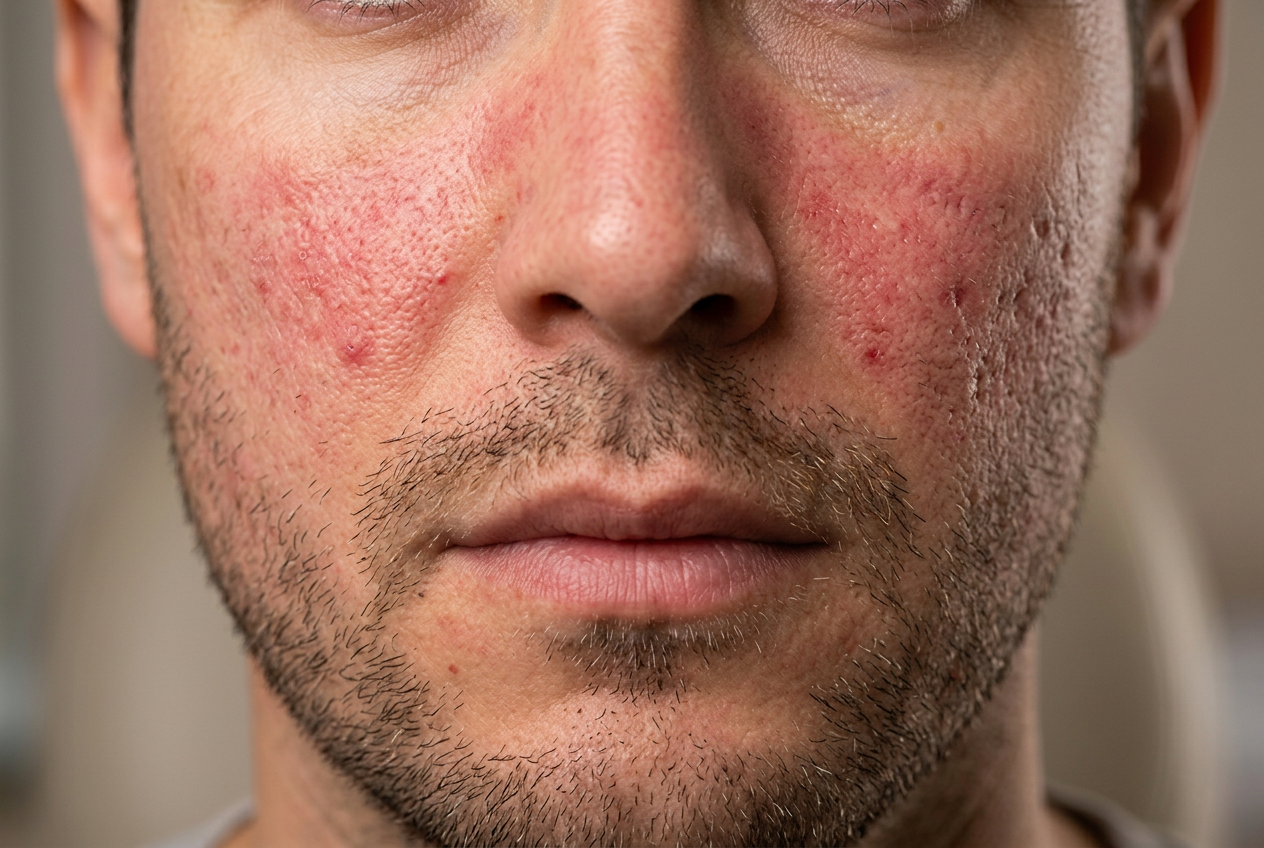
Post-inflammatory hyperpigmentation (PIH) is the flat discolouration left after a blemish heals. It’s not a true scar — the skin’s surface is intact — but the dark or reddish marks can persist for months, especially on medium to deep skin tones.
Post-inflammatory erythema (PIE) is the pink or red version of the same thing, caused by damaged capillaries near the surface. Again, the skin texture is even, but the redness creates the appearance of ongoing breakouts.
True acne scars are where tissue damage has occurred. These include:
- Ice pick scars — deep, narrow pits that go into the skin
- Boxcar scars — broader depressions with defined edges
- Rolling scars — shallow, wave-like indentations that create an uneven surface
- Hypertrophic scars — raised, thickened tissue from excess collagen production
Each type behaves differently. Each needs a different treatment strategy. And none of them will respond meaningfully to a standard exfoliating cleanser.
Why At-Home Fixes Often Fall Short
Over-the-counter products can support skin health, but they’re limited in how deep they can reach. Most brightening serums and exfoliating acids work at the surface level — helpful for very mild PIH, but largely ineffective against textural scarring or deeply pigmented marks.
There’s also the risk of doing more harm than good. Using too many active ingredients, or the wrong ones for your skin type, can irritate an already-compromised barrier and make pigmentation worse — not better.
The bigger issue is that many people spend months (sometimes years) cycling through products without knowing which type of scarring they have or what it would actually take to treat it. That guesswork has a real cost — both financially and emotionally.
What a Professional Assessment Can Offer
A trained clinician can look at your skin and identify exactly what you’re dealing with — whether that’s pigmentation, structural scarring, or both — and build a treatment plan around your specific needs.
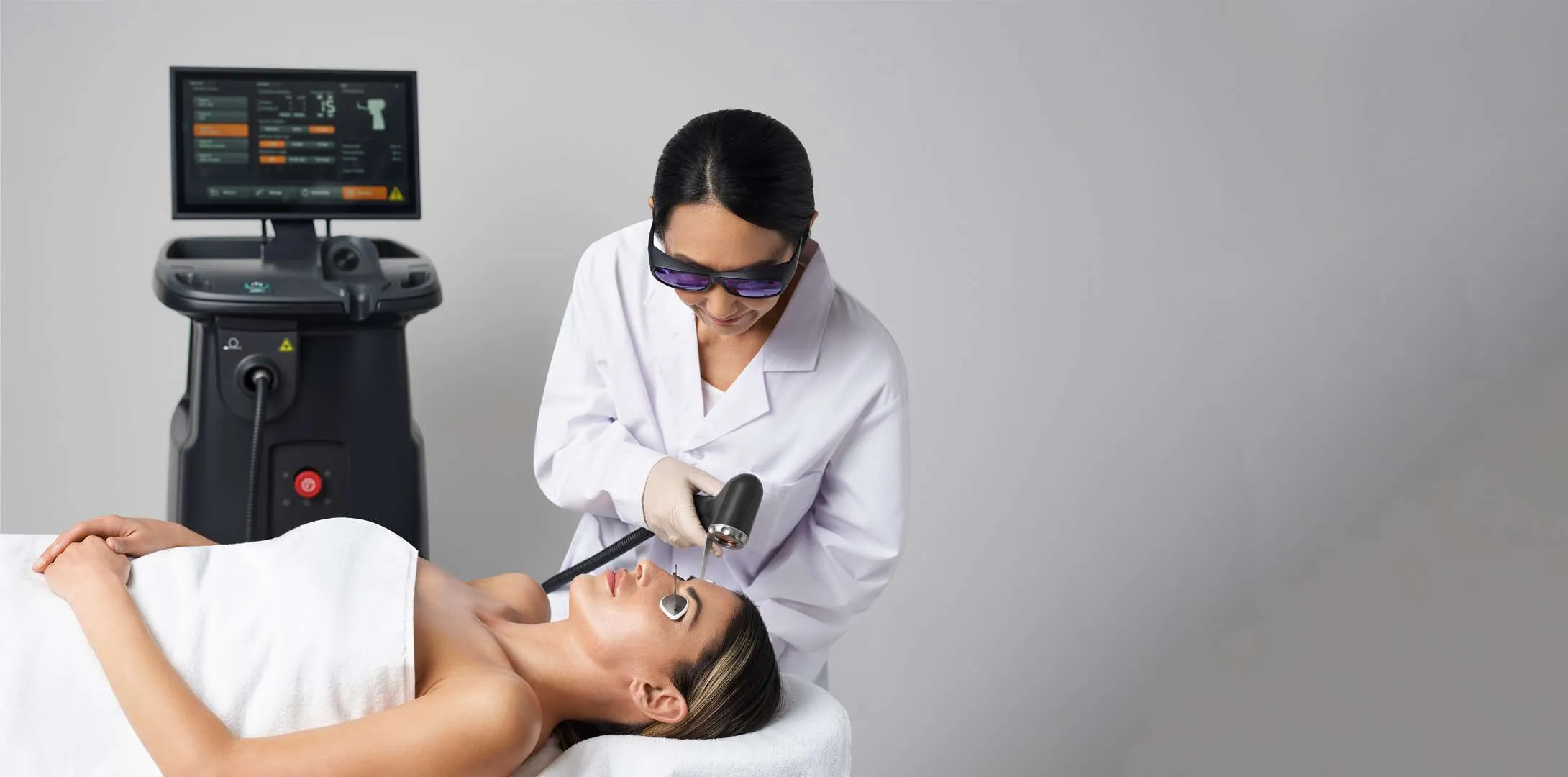
Advanced light-based treatments are one professional option that can make a meaningful difference for suitable candidates. Depending on the technology used, these therapies can target excess pigmentation, stimulate collagen production to improve skin texture, and address the vascular changes that cause post-acne redness — often with no harsh chemicals and minimal recovery time.
Results aren’t instant, and no treatment offers guaranteed outcomes. But with the right professional guidance, you can move forward with a plan that’s grounded in your skin’s actual needs rather than trial and error.
Your Skin After Acne Can Still Improve
Clearing breakouts is only half of the picture. If lingering marks, uneven texture, or scarring are affecting how you feel in your skin, that’s worth addressing — properly, with professional support.
To find out how advanced light-based treatments could help with acne scars and post-breakout skin, visit advalight.co.uk and take the first step toward skin that truly reflects your progress.